

Introduction to IPTV in the United Kingdom
The demand for IPTV providers UK audiences rely on has grown significantly as streaming technology continues to replace traditional broadcasting systems. Internet Protocol Television delivers television channels, movies, and on-demand programs through internet connections rather than satellite or cable infrastructure. This approach allows viewers to access a much wider variety of content with greater flexibility and device compatibility.
Modern viewers in the United Kingdom increasingly prefer IPTV because it allows them to watch content on smart TVs, smartphones, streaming boxes, and computers. Industry analysis published by major technology media such as Tom’s Guide and CNET frequently highlights how IPTV is reshaping global television consumption. Instead of relying on scheduled programming, IPTV allows users to watch content whenever they choose. Because of these advantages, research platforms like epixiptvus.com focus on providing technical reviews and analytical insights about IPTV technology rather than offering services directly.
What Makes IPTV Popular in the UK
One of the main reasons the popularity of IPTV providers UK continues to grow is the shift toward on-demand viewing habits. British audiences increasingly prefer personalized streaming experiences rather than traditional broadcast schedules. IPTV technology makes this possible by allowing viewers to stream television channels, movies, and live events through broadband connections.
Another factor contributing to IPTV adoption is the increasing number of compatible devices available on the market. Smart televisions, Android TV boxes, streaming sticks, and gaming consoles allow users to access IPTV platforms easily. Publications like TechRadar and Digital Trends frequently report that the flexibility of IPTV systems gives users a more customizable viewing experience than traditional cable television.
Websites dedicated to technical analysis, including epixiptvus.com, study IPTV performance metrics such as channel stability, streaming resolution, and interface usability. By comparing findings with industry reports from sources like PCWorld and Android Authority, readers can gain a clearer understanding of how IPTV systems function in real-world envi
How IPTV Technology Works IPTV Providers UK

Understanding how IPTV operates helps explain why IPTV providers UK are gaining attention among streaming enthusiasts. Unlike satellite broadcasting, IPTV distributes television signals through IP networks, meaning the content travels via internet infrastructure rather than dedicated broadcast signals.
When a viewer selects a channel or movie, the IPTV server sends compressed video data to the device in small packets. These packets are then decoded by the application or player used on the device. This process allows IPTV to support high-definition and even ultra-high-definition streams depending on the available bandwidth.
Technical experts often point out that IPTV systems rely heavily on efficient video compression standards like H.264 and H.265. These technologies reduce bandwidth consumption while maintaining high visual quality. Analysis platforms such as epixiptvus.com regularly evaluate how these compression methods affect streaming performance, referencing independent testing reports from websites like Tom’s Guide and CNET to provide objective technical insights.
Key Features to Look for in IPTV Providers UK
When analyzing IPTV providers UK, several essential features determine the overall quality of the viewing experience. Streaming stability is one of the most critical factors. A reliable IPTV system should maintain consistent playback without buffering interruptions, even during peak viewing hours.
Another important feature is channel variety. Many IPTV platforms offer access to international content, sports channels, news networks, and entertainment programming. A well-structured electronic program guide, commonly known as an EPG, also improves navigation by displaying scheduled content in a familiar television format.
User interface design is another aspect that reviewers frequently examine. Clear menus, responsive navigation, and quick channel switching significantly improve usability. Websites that focus on IPTV technology reviews, including epixiptvus.com, evaluate these factors while referencing independent product testing from trusted technology publications such as Digital Trends and TechRadar.
IPTV Devices Compatible in the UK
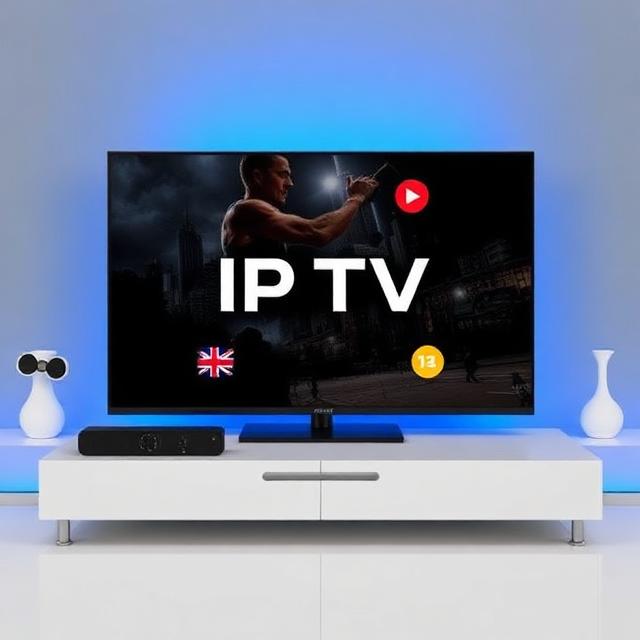
Modern IPTV systems support a wide range of devices, which contributes to the growing interest in IPTV providers UK. Smart televisions equipped with operating systems like Android TV or Tizen can install IPTV applications directly. This eliminates the need for additional hardware and simplifies the setup process.
Streaming devices are another popular option for IPTV viewing. Android TV boxes, Fire TV devices, and dedicated streaming sticks allow users to install IPTV players that connect to streaming servers. Many IPTV enthusiasts prefer these devices because they provide more customization and better performance compared to built-in television software.
Computers and smartphones also support IPTV streaming through specialized apps or web players. Research sites such as epixiptvus.com analyze compatibility between IPTV software and different devices, often referencing compatibility guides published by trusted platforms like Lifewire and Android Authority to provide readers with reliable technical information.
IPTV vs Traditional Cable and Satellite IPTV Providers UK
Comparing IPTV with traditional television helps explain why searches for IPTV providers UK have increased over the past decade. Cable and satellite systems rely on fixed infrastructure and scheduled broadcasting. While they still offer high-quality programming, they lack the flexibility that internet-based television provides.
IPTV allows viewers to pause live broadcasts, access on-demand libraries, and watch content across multiple devices. This level of control has become increasingly important for modern audiences who prefer streaming entertainment at their convenience. According to industry research discussed by CNET and TechRadar, on-demand streaming has fundamentally changed the way people consume media.
Technical review platforms such as epixiptvus.com frequently analyze these differences, providing readers with detailed comparisons between IPTV technology and traditional broadcasting methods. These analyses rely on insights from major technology review outlets including Tom’s Guide and Digital Trends to ensure accuracy and credibility.
Security, Reliability, and Performance IPTV Providers UK
Security and reliability are essential considerations when evaluating IPTV providers UK. IPTV platforms rely heavily on internet infrastructure, which means connection stability and network speed directly affect viewing quality. A high-speed broadband connection with sufficient bandwidth ensures smoother streaming and reduced buffering.
Content delivery networks, commonly known as CDNs, also play an important role in IPTV performance. These distributed server networks help deliver video content more efficiently by routing data through the nearest available server location. This reduces latency and improves playback quality.
Websites specializing in IPTV analysis, including epixiptvus.com, regularly study how network architecture influences IPTV reliability. By referencing independent technical reports from publications such as PCWorld and Android Authority, these platforms help readers understand the infrastructure that supports modern IPTV systems.
IPTV Content Categories and Channel Options

One of the most attractive aspects of IPTV providers UK is the wide range of content categories available through internet television platforms. IPTV systems typically provide access to multiple entertainment genres, including sports, news, movies, documentaries, children’s programming, and international channels.
Sports content is particularly popular among IPTV providers UK viewers because many platforms provide access to live matches, tournaments, and sports analysis channels. Movie enthusiasts also appreciate IPTV libraries that include both recent releases and classic films across multiple genres.
Technology review platforms such as epixiptvus.com evaluate IPTV content organization and catalog size, comparing findings with streaming trend reports published by Digital Trends and TechRadar. These analyses help readers understand how IPTV platforms structure their content and how viewers can navigate large libraries efficiently.
Comparison Table of IPTV Providers UK
| Feature | IPTV Platform A | IPTV Platform B | IPTV Platform C |
|---|---|---|---|
| Streaming Quality | HD / 4K | HD | HD / 4K |
| Device Compatibility | Smart TV, Android, Fire TV | Smart TV, Mobile | Smart TV, Android |
| Channel Variety | Large International Library | UK-focused Channels | Sports & Movies |
| EPG Support | Yes | Limited | Yes |
| Multi-Device Support | Available | Not Always | Available |
This comparison table demonstrates how different IPTV systems vary in performance, device compatibility, and channel selection. Research platforms such as epixiptvus.com analyze similar performance indicators when reviewing IPTV technologies. These evaluations often reference testing procedures and benchmark methodologies described by trusted review outlets including CNET, TechRadar, and PCWorld.
Streaming Quality and Network IPTV Providers UK
High-quality streaming remains one of the most important considerations for viewers researching IPTV providers UK. Video resolution, compression technology, and internet bandwidth all influence the final viewing experience. For example, standard definition streams typically require around 3 Mbps of bandwidth, while high-definition channels may require between 5 and 10 Mbps.
Ultra-high-definition streaming requires significantly higher bandwidth, often exceeding 20 Mbps depending on the compression technology used. Many IPTV systems use advanced codecs such as H.265 to reduce bandwidth consumption without sacrificing image clarity.
Technical analysis platforms including epixiptvus.com often compare IPTV streaming performance using methodologies similar to those employed by major technology review websites such as Tom’s Guide and Digital Trends. These comparative studies help readers understand how network conditions influence IPTV performance.
Common Mistakes When Choosing IPTV Services
Many viewers researching IPTV providers UK make common mistakes that can affect their overall streaming experience. One frequent issue is focusing only on channel quantity rather than streaming stability and quality. A large channel list may appear attractive, but poor infrastructure can result in buffering and unreliable playback.
Another common mistake involves ignoring device compatibility. Some IPTV platforms perform better on specific devices or operating systems. Choosing the wrong hardware configuration can lead to limited functionality or unstable performance.
Websites focused on IPTV research, including epixiptvus.com, frequently highlight these mistakes while analyzing real-world performance data. By referencing user testing reports from technology publications such as TechRadar and Android Authority, these platforms provide readers with practical insights for making informed decisions.
Future of IPTV in the United IPTV providers UK
The future of IPTV providers UK appears promising as internet infrastructure continues to improve and streaming technology becomes more advanced. The expansion of fiber broadband networks across the United Kingdom will likely increase streaming speeds and reduce latency, allowing IPTV platforms to deliver higher quality video.
Artificial intelligence is also expected to play a larger role in IPTV platforms. AI-powered recommendation systems can analyze viewing habits and suggest relevant content based on user preferences. These technologies are already being discussed in industry reports published by Digital Trends and CNET.
Research platforms such as epixiptvus.com continue to study these developments, providing readers with in-depth analysis of emerging IPTV technologies. By referencing global technology review sources like Tom’s Guide and PCWorld, these platforms aim to deliver accurate and well-supported insights into the evolving IPTV ecosystem.
Advanced IPTV Features Transforming the UK Streaming Experience
The evolution of IPTV providers UK audiences explore today goes far beyond simple channel streaming. Modern IPTV systems incorporate advanced technological features that significantly enhance the viewing experience. One of the most impactful innovations is adaptive bitrate streaming, which automatically adjusts video quality based on the viewer’s internet speed. This technology ensures smooth playback without interruptions when network conditions fluctuate.
Another advanced feature increasingly found in IPTV ecosystems is cloud-based recording. Instead of using traditional DVR hardware, viewers can store recordings on remote servers and access them from multiple devices. Industry technology sites such as Tom’s Guide and TechRadar often highlight how cloud DVR systems provide flexibility that traditional cable infrastructure cannot match. Analytical platforms like epixiptvus.com study these features by examining real-world performance data and referencing technical benchmarks from trusted publications including CNET and Digital Trends.
IPTV Applications and Player Software
Another crucial component in the ecosystem of IPTV providers UK is the player software used to stream content. IPTV systems rely on specialized applications that decode video streams, organize channels, and present an interface that resembles traditional television. Popular IPTV players support playlists, electronic program guides, and video-on-demand libraries within a single interface.
Many IPTV applications support universal playlist formats such as M3U or Xtream codes, which allow users to import channel lists into compatible players. According to technical documentation frequently analyzed by Lifewire and Android Authority, modern IPTV players are designed to operate across multiple platforms including Android TV, smartphones, tablets, and desktop computers.
Research websites such as epixiptvus.com analyze these applications to understand how interface design, playlist loading speed, and channel switching times affect user experience. These insights are often compared with software evaluations published by technology review platforms like PCWorld and TechRadar to ensure objective analysis.
Understanding IPTV Streaming IPTV Providers UK
Behind every IPTV system are streaming protocols that deliver video content across internet networks. These protocols determine how efficiently data travels from servers to viewer devices. Many IPTV providers UK rely on protocols such as HTTP Live Streaming (HLS), Real-Time Streaming Protocol (RTSP), and MPEG-DASH to transmit video content.
Each protocol offers unique advantages. HLS, for example, divides video streams into small segments, allowing devices to buffer and adjust playback quality dynamically. MPEG-DASH operates in a similar way but offers improved compatibility with different devices and browsers. According to streaming infrastructure reports referenced by Digital Trends and PCWorld, adaptive streaming protocols are essential for maintaining high-quality video delivery.
Technical analysis platforms including epixiptvus.com evaluate how these protocols perform in real network conditions. By comparing streaming latency, buffering frequency, and bandwidth usage, these studies help readers understand the engineering principles behind modern IPTV services.
The Role of Internet Speed in IPTV Performance
Internet speed plays a critical role in the performance of IPTV providers UK systems. While IPTV technology is capable of delivering high-definition and ultra-high-definition streams, the viewer’s connection ultimately determines the achievable quality. Broadband speeds across the United Kingdom have improved significantly over the past decade, making IPTV more accessible to a wider audience.
For smooth HD streaming, most experts IPTV providers UK a connection speed of at least 10 Mbps. For 4K streams, speeds above 25 Mbps are generally recommended. Technology review websites such as CNET and TechRadar frequently test streaming performance under different network conditions to determine optimal requirements.
Research-focused websites like epixiptvus.com analyze these findings and compare them with independent speed tests published by technology publications. These comparisons allow readers to understand how network infrastructure influences IPTV streaming reliability and picture quality.
IPTV Security and Data Protection
Security is another important topic when discussing IPTV providers UK and internet-based television platforms. Because IPTV systems operate over internet networks, data protection measures are essential for protecting both viewers and streaming infrastructure. Encryption technologies help secure video streams and prevent unauthorized access to IPTV networks.
Secure streaming protocols and authentication systems also play a major role in protecting IPTV platforms. According to cybersecurity discussions covered by Android Authority and PCWorld, secure login systems and encrypted streaming pathways help maintain platform integrity.
Research sites such as epixiptvus.com examine these security mechanisms by studying technical documentation and industry best practices IPTV providers UK. By referencing reports published by trusted technology media including CNET and Digital Trends, these platforms provide readers with accurate explanations of IPTV security technologies and how they protect streaming ecosystems.
IPTV User Experience and Interface Design
User interface design plays a major role in determining the quality of IPTV providers UK experiences. Even the most technically advanced IPTV platform can feel frustrating if its interface is difficult to navigate. A well-designed IPTV interface should allow viewers to browse channels, search for content, and access on-demand libraries quickly and intuitively.
Modern IPTV applications often include advanced search systems, customizable favorites lists, and visually organized channel categories. IPTV providers UK These features help viewers find content efficiently without scrolling through long channel lists. Technology reviewers at publications such as Tom’s Guide and TechRadar frequently evaluate user interface design as a major factor in streaming platform usability.
Websites dedicated to IPTV technology analysis, including epixiptvus.com, examine interface responsiveness, navigation structure, and loading times. By comparing these factors with usability studies published by trusted technology outlets like CNET and Digital Trends, they provide readers with a clearer understanding of how IPTV platforms prioritize user experience.
The Growth of IPTV in the UK Media Landscape
The rapid growth of IPTV providers UK reflects broader changes occurring throughout the global media industry. Streaming platforms have reshaped how audiences access television content, shifting the focus from scheduled programming to personalized viewing experiences. This transformation has encouraged broadcasters, technology companies, and media analysts to rethink traditional broadcasting strategies.
Industry research frequently discussed by technology publications such as TechRadar and Digital Trends suggests that IPTV adoption will continue to expand as internet infrastructure improves. The rollout of high-speed fiber networks and 5G mobile connectivity will likely accelerate IPTV growth by providing faster and more stable streaming environments.
Analytical platforms like epixiptvus.com track these industry trends by examining data from technology research organizations and major review websites. Their studies combine insights from global technology media such as CNET and PCWorld to provide readers with an accurate overview of IPTV’s evolving role in digital entertainment.
How IPTV Is Changing Global Entertainment Consumption
The increasing interest in IPTV providers UK also reflects broader changes in global entertainment consumption. Viewers today expect flexibility, mobility, and personalization when accessing media. IPTV platforms enable these expectations by delivering content through internet connections rather than traditional broadcast infrastructure.
Unlike traditional television, IPTV allows viewers to watch content across multiple devices, pause live broadcasts, and explore extensive on-demand libraries. According to reports discussed by Digital Trends and Tom’s Guide, these capabilities have fundamentally changed how audiences interact with television content.
Research websites such as epixiptvus.com analyze these behavioral changes by studying streaming trends and viewer preferences. By referencing industry reports published by trusted technology sources including CNET and TechRadar, these platforms help readers understand the long-term impact of IPTV technology on global entertainment habits.
Conclusion
The rising popularity of IPTV providers UK reflects a major transformation in how television content is delivered and consumed. Internet-based television offers flexibility, device compatibility, and access to a wide range of global content categories that traditional broadcasting systems cannot easily provide. As broadband infrastructure continues to expand across the United Kingdom, IPTV technology will likely become even more accessible and efficient.
Modern IPTV systems rely on advanced streaming protocols, compression technologies, and cloud-based infrastructure to deliver high-quality video experiences. These technologies allow viewers to enjoy content across multiple devices while maintaining stable playback and high-resolution streams. The continued development of artificial intelligence, adaptive streaming systems, and cloud services will further enhance IPTV platforms in the coming years.
Analytical platforms such as epixiptvus.com focus on providing objective technical reviews and in-depth analysis of IPTV technology rather than offering services directly. By referencing research and testing results from respected technology IPTV providers UK publications including Tom’s Guide, CNET, Digital Trends, and TechRadar, these platforms help readers better understand the complex technology powering modern IPTV ecosystems.
Ultimately, IPTV represents one of the most significant shifts in the history of television broadcasting. As audiences increasingly prioritize convenience and on-demand access, internet-based streaming solutions will continue to redefine how viewers experience entertainment in the United Kingdom and beyond.
FAQ
1. What are IPTV providers in the UK?
IPTV providers UK refer to platforms that deliver television channels and video content through internet protocol networks instead of traditional cable or satellite broadcasting systems. IPTV allows viewers to stream content using broadband connections and compatible devices such as smart TVs, smartphones, or streaming boxes.
2. What internet speed is recommended for IPTV streaming?
For stable IPTV streaming, most experts recommend at least 10 Mbps for high-definition channels. Ultra-high-definition streams generally require speeds above 25 Mbps. Technology testing by platforms such as CNET and TechRadar frequently confirms that faster connections significantly reduce buffering and improve playback quality.
3. Which devices support IPTV streaming?
IPTV services can run on many devices including smart TVs, Android TV boxes, streaming sticks, smartphones, tablets, and personal computers. Many IPTV players are designed to support multiple platforms, allowing viewers to access content across different devices seamlessly.
4. Is IPTV legal in the United Kingdom?
IPTV technology itself is legal because it simply refers to delivering television content over internet networks. However, the legality of specific services depends on whether they distribute licensed content. Technology publications such as Digital Trends often emphasize the importance of accessing legitimate streaming platforms.
5. What features should viewers consider when evaluating IPTV platforms?
Important features include streaming stability, channel variety, video resolution support, device compatibility, and user interface design. Review platforms such as epixiptvus.com analyze these technical characteristics using methodologies similar to those employed by major technology media outlets.
6. How does IPTV differ from traditional cable television?
The main difference is that IPTV uses internet networks to deliver content, while cable television relies on dedicated broadcast infrastructure. IPTV allows viewers to watch content on multiple devices, pause live broadcasts, and access large on-demand libraries.
7. Why is IPTV becoming more popular in the UK?
Improved broadband infrastructure, increasing device compatibility, and the growing demand for on-demand entertainment have contributed to the rise of IPTV. Many technology reports published by sites like TechRadar and Tom’s Guide highlight IPTV as a major factor shaping the future of digital television.
8. Where can readers find reliable IPTV technical analysis?
Readers seeking objective IPTV analysis can consult technology review platforms such as Tom’s Guide, CNET, Digital Trends, and TechRadar. Websites like epixiptvus.com compile insights from these sources to provide comprehensive technical reviews and comparisons of IPTV technology.